(214) 833-7108|2815 Allen St, Suite 122 · Uptown Dallas
Se habla español
Body & Wellness

Hormones & Low Testosterone

Energy that doesn't return after sleep. Workouts that don't add up the way they used to. When it feels like a slow fade across the whole picture, hormones are often part of the story — and it's worth measuring.

Understanding It

A slow fade with a real cause.

Testosterone touches more systems than most people realize — energy, muscle, fat distribution, bone density, libido, mood, motivation, sleep. When it drifts low, the change rarely arrives as one clear symptom. It shows up as a gradual dimming across all of them at once, which is exactly why it's so easy to write off as just getting older.

The honest answer starts with numbers. We confirm low testosterone with morning lab work and a full clinical intake before anyone begins therapy — and we're candid about who it's for. We do not prescribe testosterone for performance enhancement in men with normal levels. When labs and symptoms line up, a supervised program can restore what's declined, safely and sustainably.

How We Treat It

Measure first, then optimize.

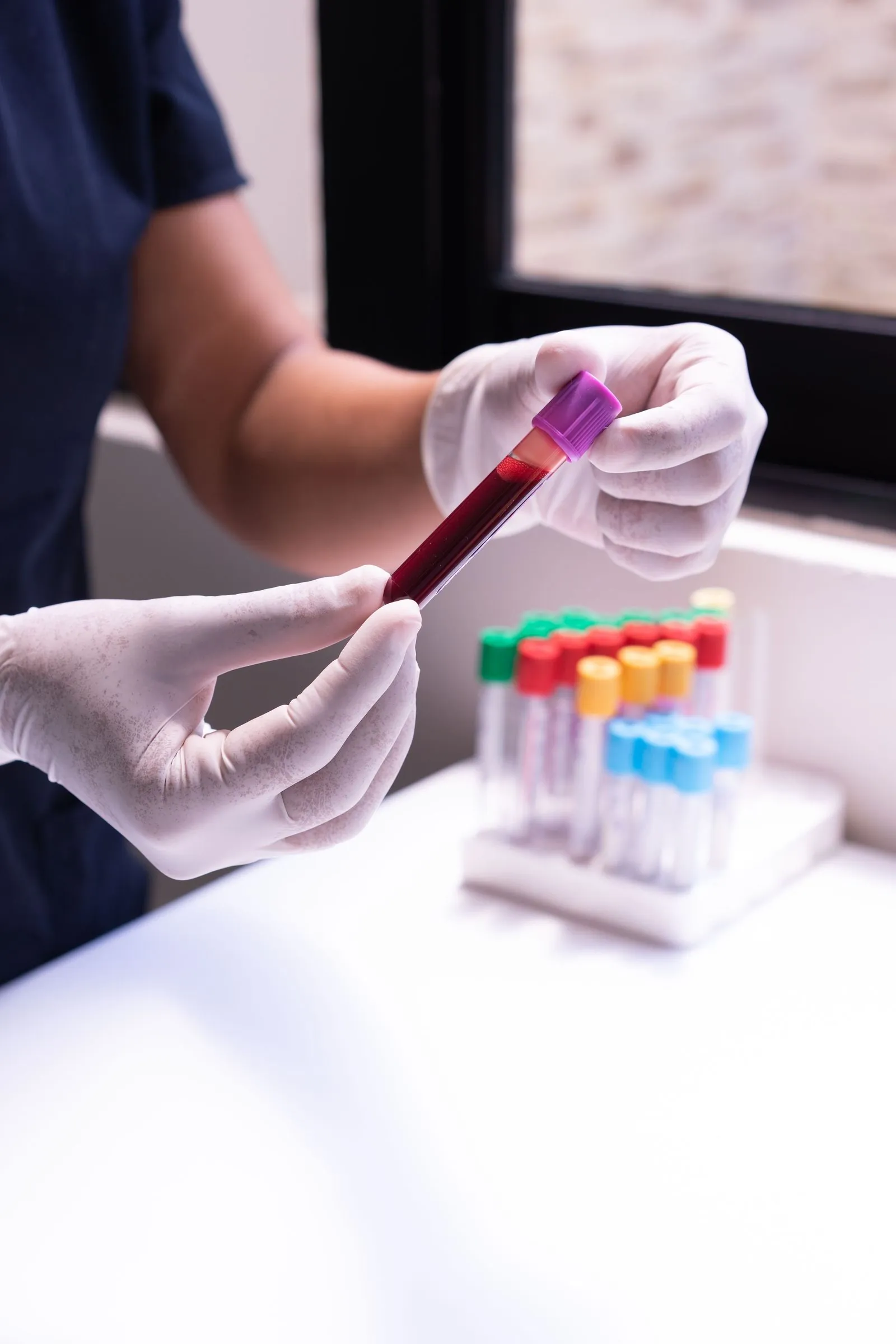
Every hormone program here begins with labs and a clinical conversation. From there your provider builds a plan around your levels, your goals, and your long-term health.

The Rejuvia Difference

A program, not a prescription.

Hormone therapy done well is ongoing medicine. We start with baseline labs, recheck at six to eight weeks, then monitor at regular intervals — watching estradiol, hematocrit, and PSA, and adjusting as your body responds. Testosterone therapy carries a six-month minimum because meaningful, safe change takes time. The aim is to have you feeling and performing the way you want, on a plan built to last.

Meet the Team
Strength and recovery — TRT care at Rejuvia
Questions

Frequently asked questions.

What are the signs of low testosterone?
Most men describe energy that doesn't recover with sleep, workouts that stop translating into results, lower libido, thinner mood and motivation, and foggier focus. Because these overlap with other causes, we confirm with morning labs — typically a total testosterone below 300 ng/dL alongside symptoms — before recommending therapy.
Do you help with women's hormones?
Our comprehensive Female Wellness Panel measures estradiol, progesterone, testosterone, DHEA-S, FSH, LH, prolactin, SHBG, cortisol, and thyroid, reviewed with a provider to understand what's driving your symptoms. Our dedicated testosterone replacement program is designed for men; for women, the starting point is testing and a clinical conversation about the right path.
How often will I need monitoring?
Baseline labs come first, then a recheck at six to eight weeks once you've started, then regular follow-up intervals. We proactively screen for elevated hematocrit, estradiol shifts, and PSA changes at each visit, adjusting your protocol as needed. Ongoing physician supervision is built into the program.
Why a six-month minimum?
Hormone optimization is a gradual process. Energy and mood often improve in the first two to four weeks, but libido, clarity, sleep, and body composition build over the following months. A six-month commitment gives the protocol time to work and gives us the data to fine-tune it safely.
Start Here

Tell us what's changed.

Book directly, or send us a note and we'll recommend where to start.

Prefer to talk? Call (214) 833-7108 — a real person answers.

Start with your numbers.

Consultations are free and honest — book online in under a minute.

Book Your Visit