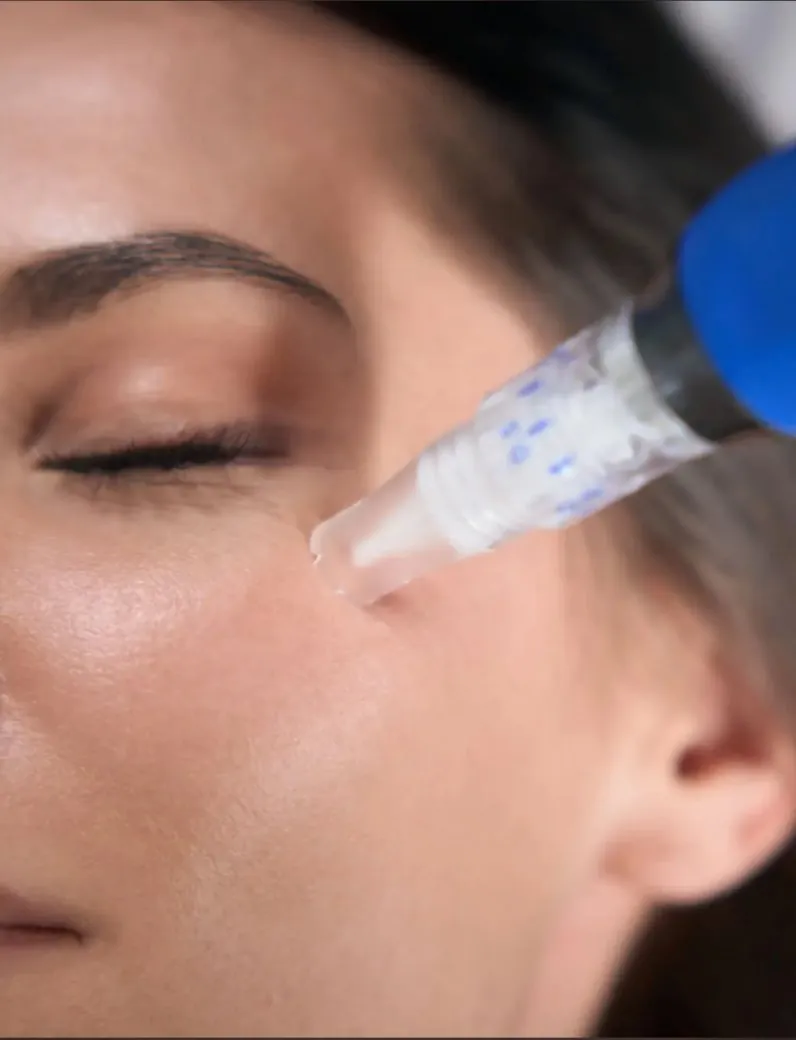
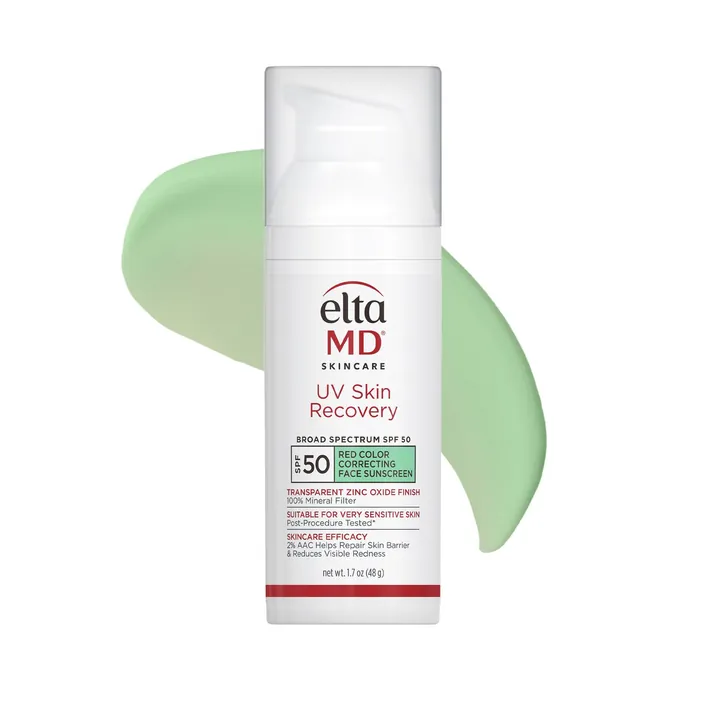
Your skin makes pigment for a living — it's how it defends itself. But UV exposure, inflammation, and hormones can push pigment cells into overdrive, and the excess settles where you can see it: discrete sun spots on cheeks and hands, the shadowy patches of melasma, or the brown marks that outlast a breakout by months. Because each of these has a different cause, each responds to a different approach.
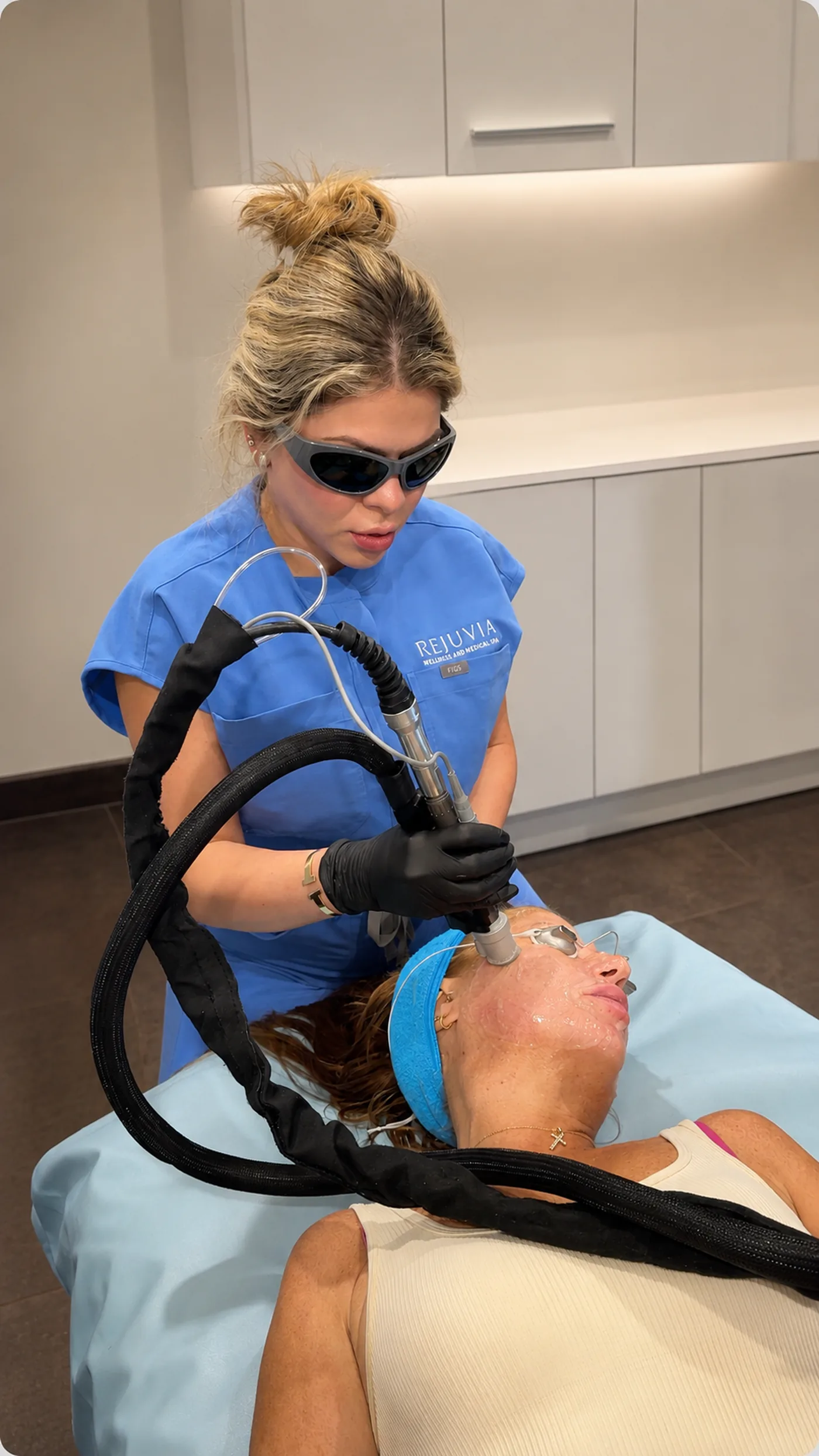
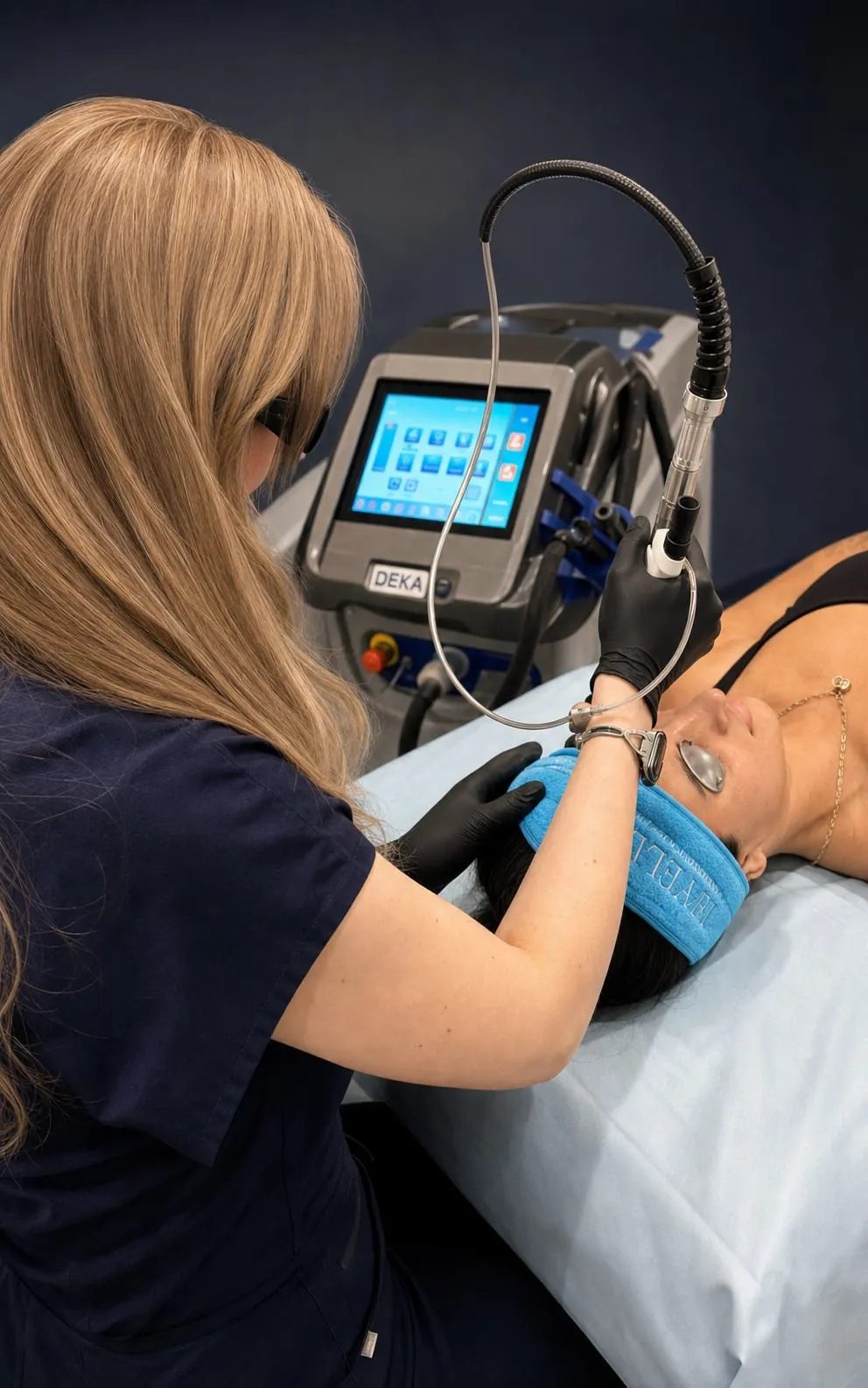
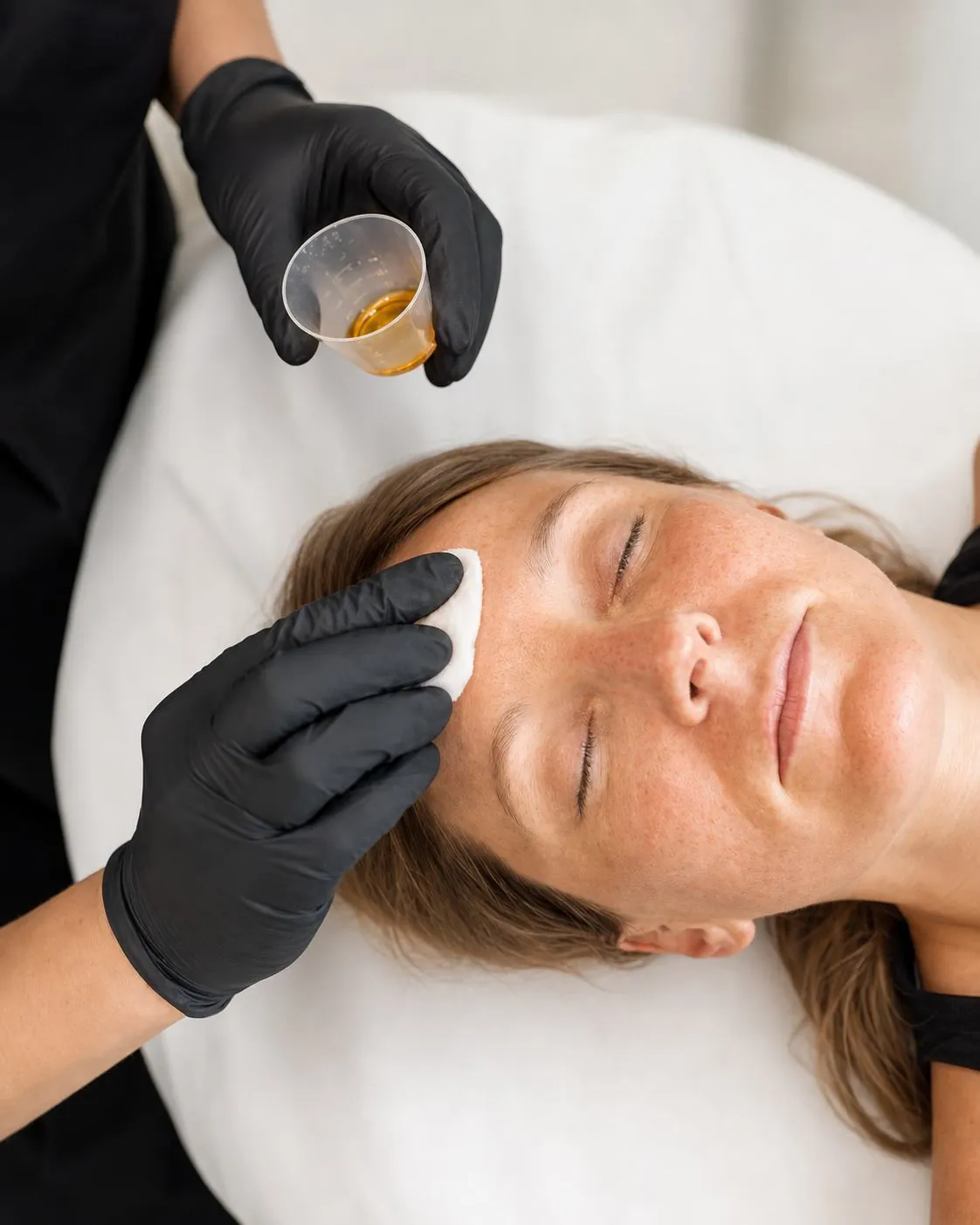
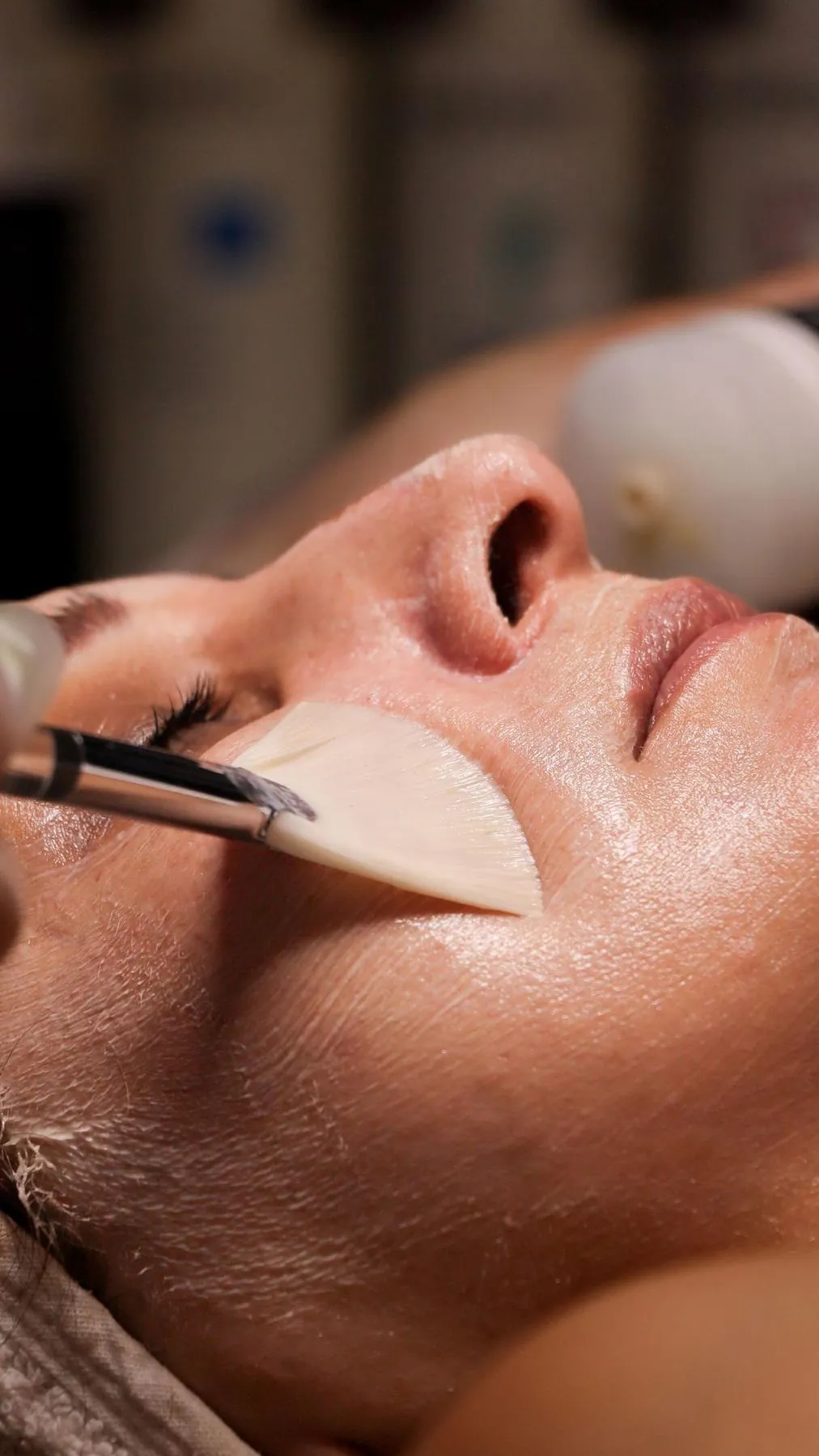
The good news is that pigment treatment has improved dramatically. Where older methods relied on heat — a real risk for triggering more pigment, especially in deeper skin tones — today's picosecond lasers break pigment apart with ultra-short pulses and minimal heat transfer, and modern peels layer gentler acids instead of one harsh one. Treated correctly, in the right sequence, even stubborn pigment fades.